
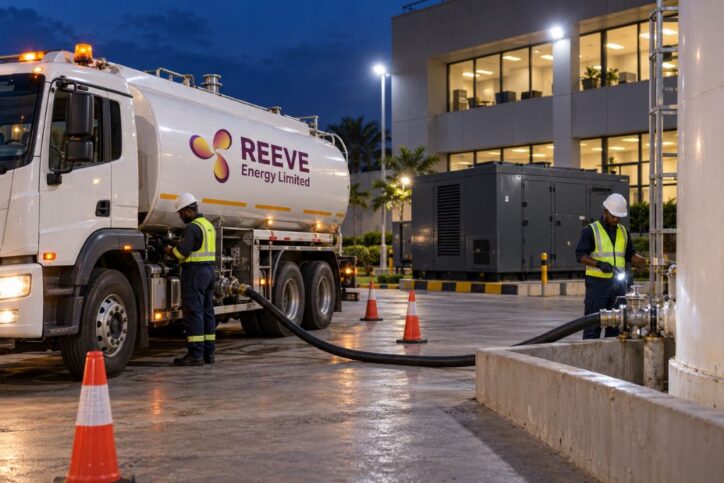
Emergency Fuel Delivery Protocols to Prevent Scarcity Shutdowns
The tank is running low. The usual supplier is not answering. Accounts needs an invoice before releasing payment, and the only person authorised to approve a new vendor is on a flight.
Sometimes, the fuel shortage is only half the emergency.
An emergency fuel delivery protocol sets out when to escalate, who can approve an order and how the site will receive it. It cannot remove every scarcity risk. It can, however, reduce the delays that turn a manageable shortage into a shutdown.
1. Measure the time you have left
A tank reading becomes more useful when translated into operating hours:
Estimated runtime = usable fuel remaining ÷ expected hourly consumption.
For example, 900 usable litres at an assumed consumption of 75 litres per hour gives roughly 12 hours of operation. That estimate changes if the load changes, so use recent operating data and allow for uncertainty.
Usable fuel also differs from the tank’s stated capacity. Your facilities team should account for the minimum operating level and any fuel that the system cannot draw.
2. Trigger action before the final few hours
Build your fuel shortage contingency plan around escalating conditions:
- Routine replenishment: Stock reaches the normal reorder threshold.
- Heightened risk: Consumption rises, supply tightens or a delivery slips.
- Emergency response: Remaining runtime approaches the realistic replenishment period plus the site’s contingency margin.
Set these thresholds for the facility. A single percentage, such as “order at 20%,” says little without knowing tank size, fuel use and delivery time.
3. Remove approval bottlenecks
Name a primary decision-maker and a deputy. Agree spending authority, supplier onboarding requirements and payment arrangements before a shortage.
Keep a ready-to-send order brief containing the site address, location pin, product, requested quantity, available tank capacity and receiving contact. Include access restrictions. A tanker arriving at the wrong gate still costs time.
4. Verify the supply plan
Ask for separate confirmation of stock availability, dispatch status and estimated arrival. Agree how updates will be communicated.
For critical facilities, qualify a backup supplier in advance and investigate whether both suppliers depend on the same loading source. Two telephone numbers may offer little protection if both lead to the same bottleneck.
Uptime Institute advises operators to confirm that suppliers can deliver during grid outages, including whether upstream fuel facilities can continue operating. That dependency is easy to overlook until demand surges.
5. Keep receiving controls in place
Urgency should not bypass trained receiving personnel, fuel identification, volume checks or the site’s approved unloading procedure. Any reduction of non-essential electrical loads should follow an authorised plan that protects critical services.
Afterwards, review the incident. Was the trigger too late? Did approval stall? Did consumption exceed the forecast? Fix the specific weakness.
Reeve Energy is a reliable supplier to include in your fuel continuity planning. Contact Reeve Energy to discuss emergency diesel requirements, location coverage and response arrangements before your next urgent order. A supply relationship established early gives your team more room to act.