
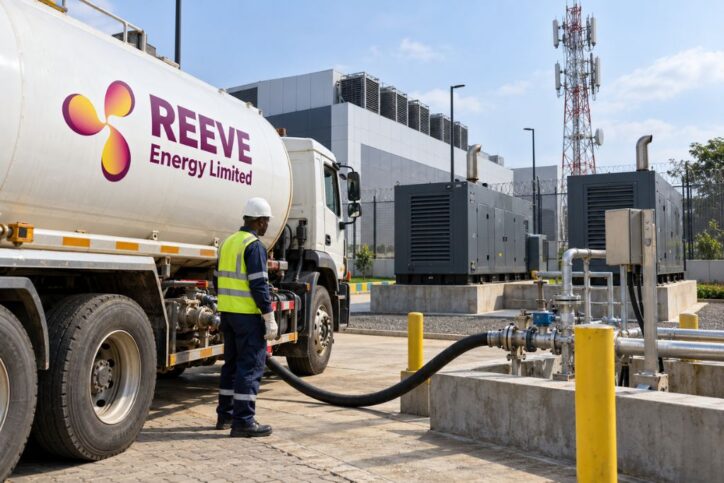
Critical AGO Supply Solutions for Telecom Towers & Data Centers
A telecom tower can have a working generator and still lose power because its next diesel delivery arrives too late. A data center can hold substantial fuel reserves and still face trouble if that fuel cannot reach the generators when needed.
Both situations expose the same weakness: fuel availability has to be managed across the whole system.
Reliable AGO supply for telecom towers and diesel supply for data centers require verified stock, suitable fuel quality, accessible delivery routes and replenishment plans tied to actual demand. Buying diesel is one part of that work.
Give each telecom site its own supply profile
A tower portfolio may include city rooftops, roadside compounds and remote sites with restricted access. Applying the same delivery schedule everywhere is convenient. It may also hide the locations most likely to run short.
Build a site record around:
- Usable tank capacity and verified stock readings.
- Generator consumption under typical operating loads.
- Recent grid availability and generator runtime.
- Delivery travel time, access windows and seasonal route difficulties.
- Site contacts, security arrangements and receiving procedures.
Imagine two towers showing 40% fuel remaining. One has stable grid supply and sits near a loading point. The other has been on generator power all day and requires a long trip over a difficult road.
The second site may need attention first. Tank percentage alone cannot establish priority.
Plan data center fuel around autonomy
Fuel autonomy means how long a facility can operate on its usable on-site supply at a defined load.
For an illustrative site consuming 500 litres per hour across its operating generators, 12,000 usable litres represents approximately 24 hours. That calculation needs checking against expected demand, reserve requirements and the actual fuel system.
Uptime Institute recommends defining the facility’s autonomy objective as part of fuel-system planning. Storage volume and the ability to transfer fuel to the generators both matter.
Procurement and engineering teams therefore need a shared picture of the system. A delivery contract cannot compensate for an unavailable transfer pump.
Verify readings and protect fuel quality
Remote monitoring can help teams spot declining levels, unexpected consumption or possible losses. Still, an unusual reading needs investigation. Sensor faults, maintenance activity and genuine fuel loss can produce confusing patterns.
Reconcile monitoring data with delivery records and physical checks under approved site procedures.
Stored fuel needs attention too. Water, particles and microbial contamination can affect diesel systems, and storage conditions influence deterioration. Set inspection and testing arrangements with the equipment manufacturer and qualified maintenance team rather than assuming unused fuel remains ready indefinitely.
Connect replenishment to operational priorities
A strong critical infrastructure fuel supply agreement should identify priority sites, escalation contacts, delivery evidence and contingency arrangements. Dispatch decisions should consider remaining runtime, service impact and route constraints together.
Reeve Energy supplies AGO to cell towers and other customers in Lagos and environs. For telecom operators and data center procurement teams seeking a reliable fuel partner, speak with Reeve Energy about your site locations, demand profile and continuity requirements. Put dependable supply planning behind the infrastructure your customers count on.